



Final goodbye from the ISS crew to FSL
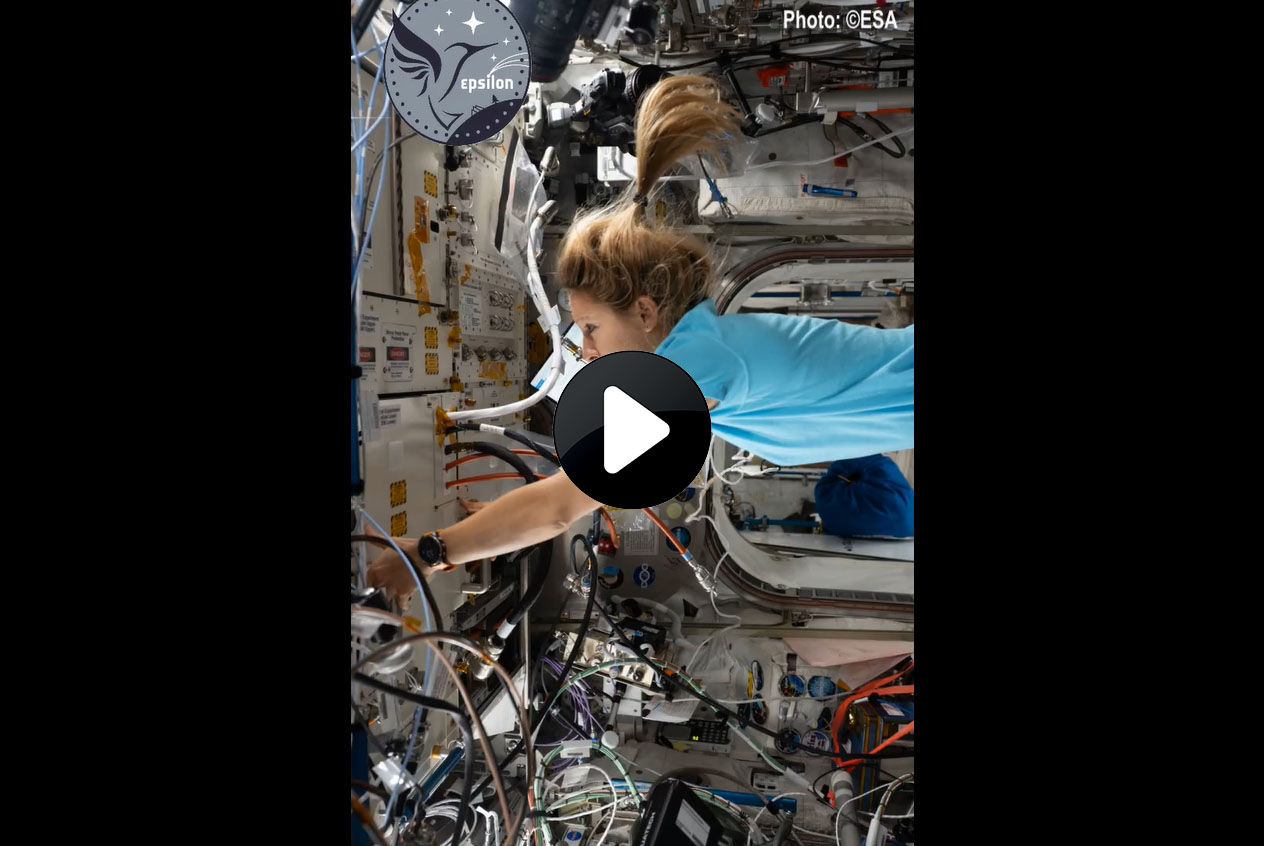
July 17th, 2026, marked the last day of the PASTA-3 experiment, the final experiment handled inside the Fluid Science Laboratory onboard the International Space Station. ESA Astronaut Sophie Adenot took the opportunity to address the teams on the ground, highlighting the FSL legacy during its 18 years inside the Columbus module.
Recording Sophie Adenot's message to FSL ground teams (.mp4)
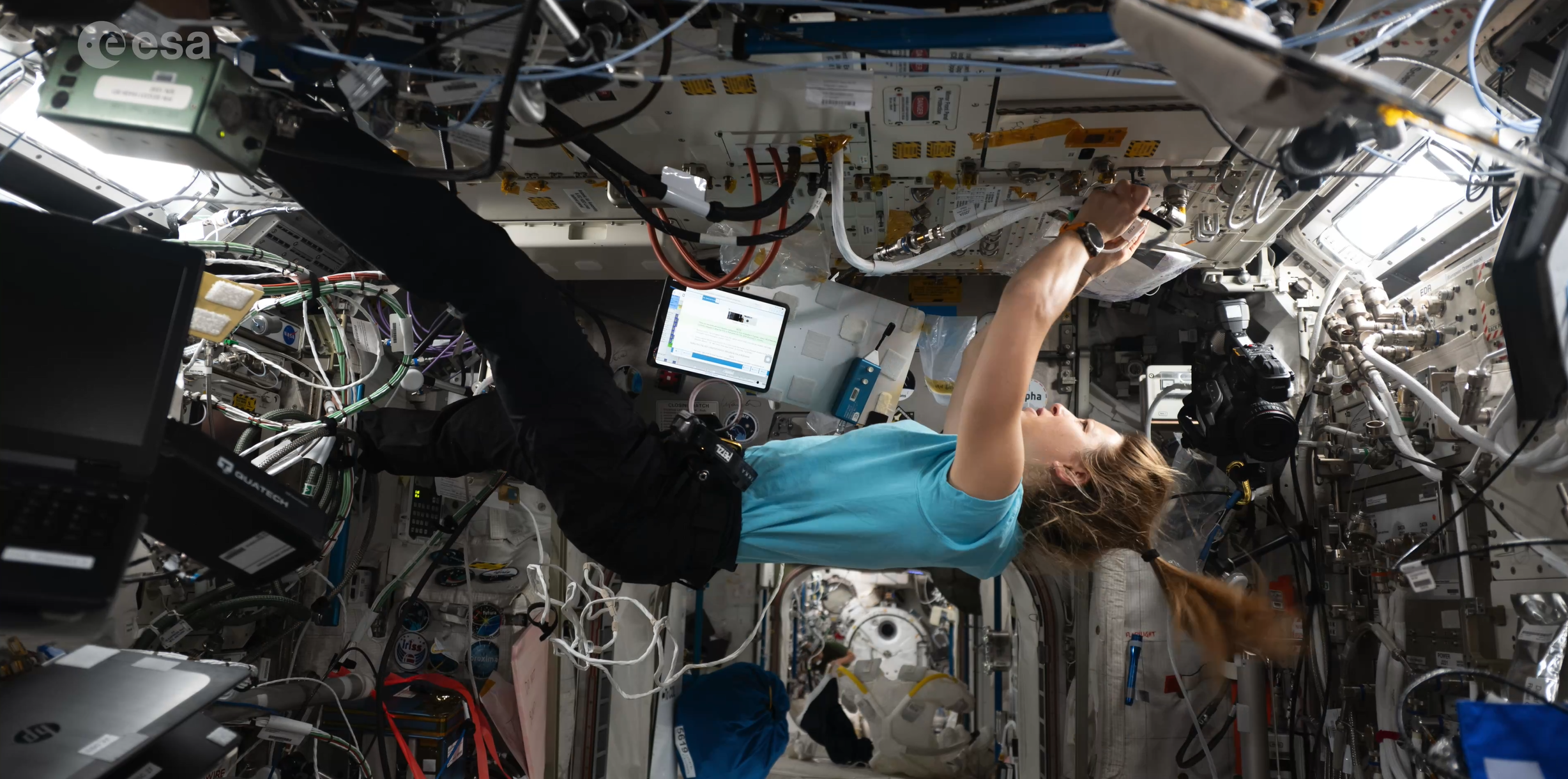
Fluid Science Laboratory
Located in the Columbus module on board the ISS, FSL was designed to conduct fluid dynamics science experiments in microgravity. Over its lifetime, FSL supported the following experiments:
- GEOFLOW investigating the flow of an incompressible viscous fluid between two concentric spheres, simulating thermal convection inside Earth’s mantle;
- FASES studying dynamic droplet evolution during emulsion destabilisation;
- RUBI exploring the phase transition and heat transfer within a boiling fluid;
- COMPGRAN investigating compaction and stress in granular materials;
- FOAM-C studying the hydrodynamic properties and coarsening of aqueous foams;
- PASTA analysing the stability and evolution of different emulsion compositions.
Transcript of Sophie Adenot's message
Sophie:
“Hey, Nick, Sophie on two for FSL.”
Nick:
“Hey, Sophie, we're with you on two.”
Sophie:
“I wonder if it's a good time to pass a message for FSL? And especially for B.USOC.”
Nick:
“Sophie, we will absolutely take your message, and we have FSL on console.”
Sophie:
“Great. Special shout out for you, teams, FSL teams. So today marks the end of the PASTA-3 science operations and the final deactivation of the FSL rack in Columbus. FSL was launched to the ISS inside the Columbus module in February 2008.
FSL initial rack activation and commissioning was performed in orbit by ESA's astronaut Léopold Eyharts on February 17th, 08, and over the last 18 years in low Earth's orbit, while circling the Earth over 101,000 times, FSL has facilitated groundbreaking research into fluid dynamics in the microgravity environment.
As part of ESA's ISS Utilisation Program, research teams from across Europe have used FSL to study topics such as granular matter, foams, emulsions, and boiling dynamics to advance our knowledge about how fluids behave in space.
FSL operations has been supported from the ground over the years by the ESA ISS teams and industrial partners, and in particular, B.USOC in Belgium, is the current Facility Responsible Center for FSL handling the day-to-day operations.
A huge thanks to you and congratulations to everyone who's been involved in making FSL's lifetime such a great success for nearly 20 years, 18 years. That's amazing. Congrats.”
Nick:
“Sophie, thank you for those words, and a huge thank you from the FSL team to you and everyone else who has worked with FSL over the past 18 years of science in orbit. Thank you.”
Sophie:
“You're welcome. That's the end of my message.”
More information:
- Sophie Adenot's mission to the ISS (ESA article)
- Sophie Adenot and the Final Chapter of the Fluid Science Laboratory
- User Support and Operation Centres (ESA article)
- Belgian User Support and Operations Centre (B.USOC)
- 20 Years of operations onboard the International Space Station
News image 1
News image legend 1
Credit: ESA/NASA